
WheeBuy Finds
Spreadsheet
OVER 5000+
WITH QC PHOTOS







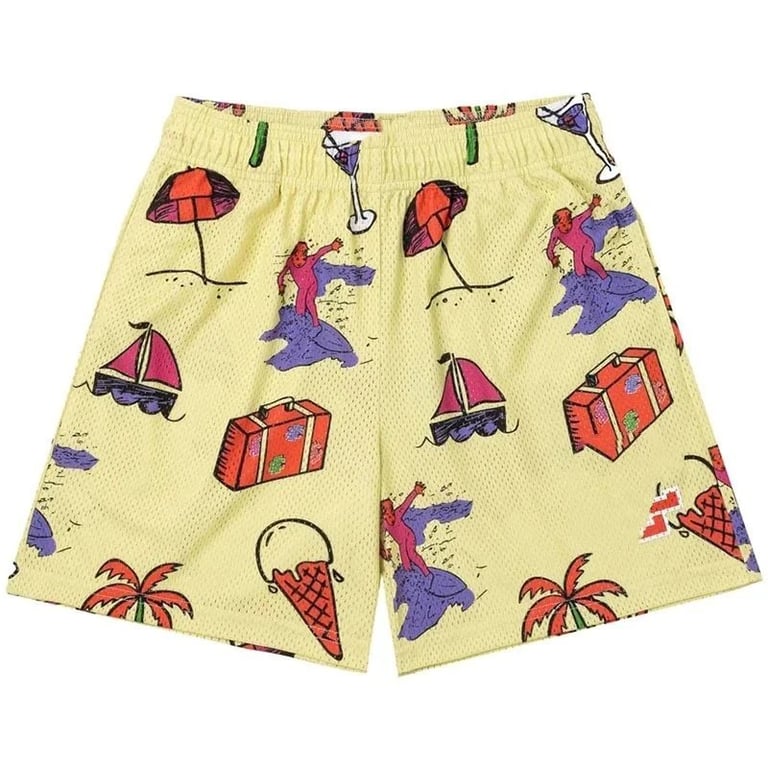
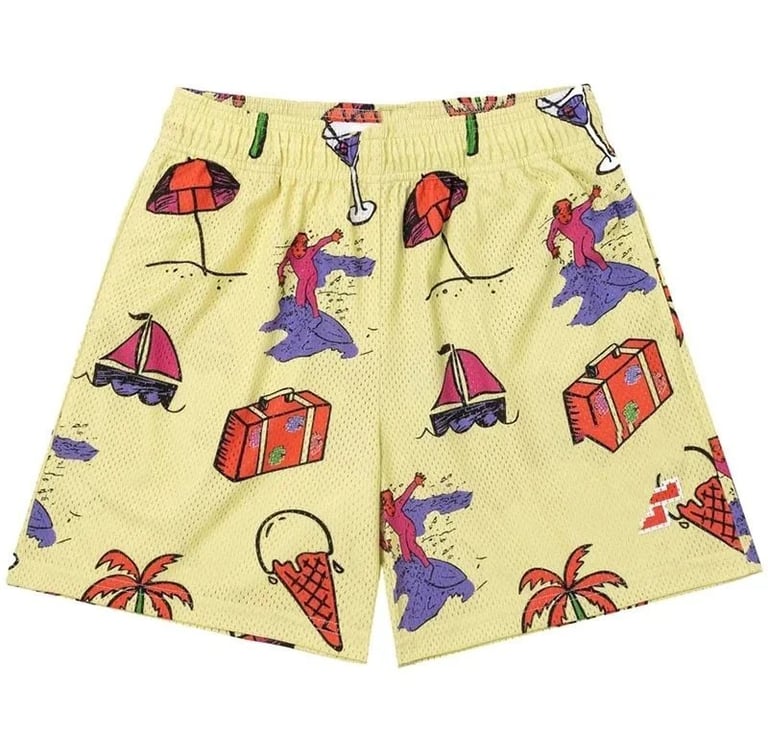
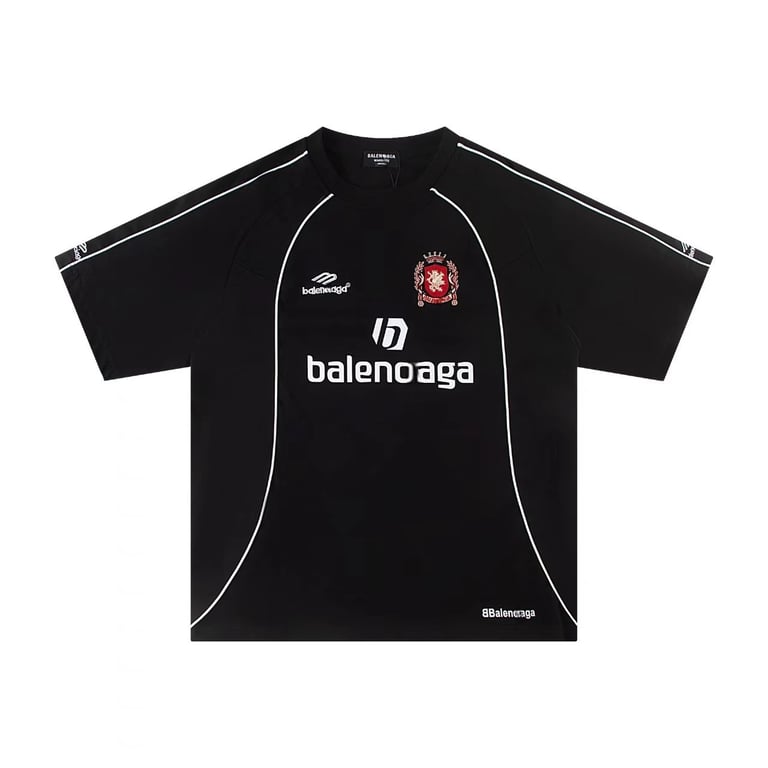
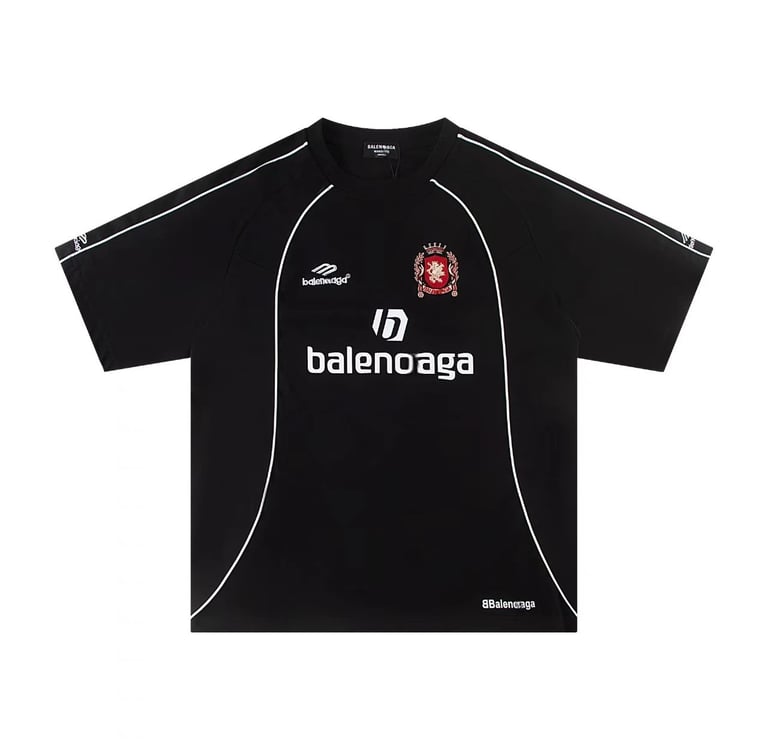


Best Product Discovery Strategies Using Wheebuy Spreadsheet Data Insights
1. Data-Driven Product Scanning
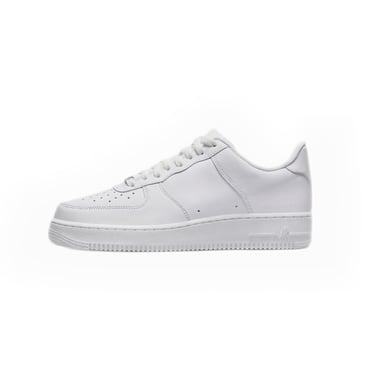
Sellers use Wheebuy spreadsheet to scan large-scale supplier datasets efficiently, identifying products with strong demand signals such as Nike or Adidas-inspired sneakers.
The Wheebuy spreadsheet organizes listings into structured formats, allowing quick comparison between multiple trending items without manual searching.
This structured scanning method reduces time spent on low-value products and improves sourcing precision.
2. Trend Pattern Recognition
The Wheebuy spreadsheet helps users recognize repeated product appearances, which often indicate emerging market demand in categories like Supreme or Stüssy streetwear.
By analyzing frequency data in the Wheebuy spreadsheet, sellers can predict which products are gaining traction before they peak.
This allows early entry into profitable niches such as Carhartt-style workwear or Yeezy-inspired fashion.
3. Category-Based Discovery Strategy
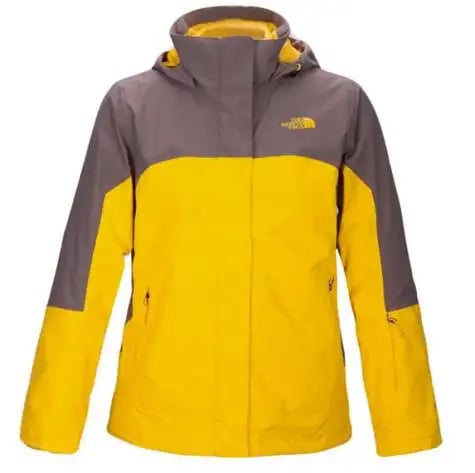
Users rely on the Wheebuy spreadsheet to filter products by category, making it easier to focus on high-performing niches like The North Face-inspired outerwear.
The Wheebuy spreadsheet simplifies cross-category comparison, helping sellers diversify product sourcing strategies.
This approach improves overall product portfolio balance for eCommerce stores.
Conclusion
Effective product discovery relies on structured data analysis, and the Wheebuy spreadsheet provides exactly that. By combining scanning, trend recognition, and category filtering, sellers can significantly improve sourcing efficiency and identify winning products faster in competitive global markets.
How Wheebuy Helps Users Find Viral Products from 1688 Marketplaces
1. Viral Signal Detection System
The Wheebuy spreadsheet identifies viral products by tracking high-frequency listings across 1688 suppliers and micro shops.
Products such as Nike-style sneakers or Supreme-inspired hoodies often appear repeatedly in the Wheebuy spreadsheet, signaling rising demand.
This system helps sellers identify early-stage viral trends before saturation.
2. Cross-Market Data Aggregation
The Wheebuy spreadsheet aggregates data from multiple 1688 sources into one structured system for easier analysis.
Sellers can compare similar listings of Adidas or New Balance-inspired products directly within the Wheebuy spreadsheet.
This reduces fragmentation and improves decision-making speed.
3. Viral Product Validation Process
Users validate viral potential by analyzing pricing consistency and supplier volume inside the Wheebuy spreadsheet.
The Wheebuy spreadsheet provides structured insights that help confirm whether a product has sustainable demand.
This reduces risk when selecting fast-moving eCommerce products.
Conclusion
Wheebuy improves viral product discovery by combining structured data and trend analysis. The Wheebuy spreadsheet enables sellers to identify, compare, and validate high-demand products efficiently across 1688 marketplaces.
Wheebuy Product Sourcing Trends for Global eCommerce Sellers
1. Emerging Fashion Trends
The Wheebuy spreadsheet highlights fast-growing fashion trends such as Yeezy-inspired sneakers and Carhartt-style workwear.
Sellers use the Wheebuy spreadsheet to track shifts in consumer demand across streetwear and luxury-inspired fashion.
This helps identify profitable early-stage fashion opportunities.
2. High-Demand Product Categories
The Wheebuy spreadsheet reveals consistent demand in categories like Nike-inspired sportswear and The North Face-style outerwear.
By analyzing category performance in the Wheebuy spreadsheet, sellers can prioritize high-conversion products.
This improves overall store profitability and inventory efficiency.
3. Global Market Adaptation Trends
The Wheebuy spreadsheet supports adaptation to global eCommerce trends by structuring supplier data across regions.
Sellers use the Wheebuy spreadsheet to align sourcing strategies with international demand patterns.
This ensures competitiveness in rapidly changing markets.
Conclusion
Global sourcing trends are evolving quickly, and the Wheebuy spreadsheet provides the structured insight needed to stay competitive. By analyzing fashion shifts, product demand, and market patterns, sellers can build stronger and more scalable eCommerce strategies.


Using Wheebuy Spreadsheet to Track Trending Dropshipping Products
1. Real-Time Trend Monitoring
Sellers rely on Wheebuy spreadsheet to monitor real-time dropshipping trends across 1688 and micro shop suppliers, especially fast-moving items like Nike or Adidas-inspired sneakers.
The Wheebuy spreadsheet continuously updates product listings, allowing users to detect spikes in demand before competitors react.
This enables early positioning in competitive niches such as Supreme or Stüssy streetwear.
2. Performance-Based Product Tracking
The Wheebuy spreadsheet helps track product frequency and supplier repetition, which often indicates strong dropshipping potential.
Users analyze structured entries inside the Wheebuy spreadsheet to identify products with consistent market traction.
Items like Yeezy-inspired footwear or Carhartt-style jackets are often highlighted through repeated listing patterns.
3. Category-Level Trend Comparison
The Wheebuy spreadsheet allows comparison across multiple categories to determine which dropshipping niches perform best globally.
Sellers use the Wheebuy spreadsheet to compare fashion, electronics, and lifestyle products in a unified dataset.
This improves decision-making when selecting scalable product lines.
Conclusion
Tracking dropshipping trends becomes more efficient with structured data systems. The Wheebuy spreadsheet provides real-time insights, performance signals, and category comparisons that help sellers stay ahead in competitive eCommerce environments.
How to Discover Hidden Gem Products Through Wheebuy Aggregation System
1. Deep Data Aggregation Analysis
The Wheebuy spreadsheet aggregates thousands of micro shop listings, allowing users to uncover hidden gem products that are not visible in mainstream marketplaces.
Sellers use the Wheebuy spreadsheet to analyze low-competition items with high potential, including niche Adidas or New Balance-style products.
This deep aggregation reveals opportunities that traditional sourcing platforms often miss.
2. Low-Visibility Product Detection
The Wheebuy spreadsheet highlights lesser-known listings that may not yet have high demand but show strong growth potential.
Users identify hidden gems by analyzing supplier diversity within the Wheebuy spreadsheet system.
These products often include unique streetwear or emerging lifestyle accessories.
3. Early Opportunity Positioning
The Wheebuy spreadsheet helps sellers enter markets early by identifying products before they become mainstream.
Early-stage items like Arc'teryx-inspired outdoor gear or niche fashion accessories are often discovered through the Wheebuy spreadsheet.
This allows sellers to build competitive advantage before market saturation.
Conclusion
Hidden gem discovery depends on deep data visibility, and the Wheebuy spreadsheet provides exactly that. By analyzing aggregated micro shop data, sellers can identify untapped opportunities and build strong product portfolios early.
Wheebuy as a Tool for Identifying High-Demand Micro Shop Products
1. Micro Shop Data Integration
The Wheebuy spreadsheet integrates thousands of micro shop listings into a unified system for easier analysis of high-demand products.
Sellers use the Wheebuy spreadsheet to evaluate product popularity across multiple small suppliers.
This helps identify consistent demand patterns in fragmented markets.
2. Demand Signal Identification
The Wheebuy spreadsheet highlights products with repeated supplier activity, often signaling strong consumer interest.
Items like Nike-style sportswear or Supreme-inspired apparel frequently appear across multiple micro shops in the Wheebuy spreadsheet.
This makes it easier to identify scalable product opportunities.
3. Supplier Strength Evaluation
Users compare micro shop suppliers inside the Wheebuy spreadsheet to determine reliability and fulfillment capability.
The Wheebuy spreadsheet helps filter out inconsistent suppliers and prioritize stable product sources.
This improves long-term sourcing performance for eCommerce sellers.
Conclusion
Wheebuy is a powerful tool for identifying high-demand products from micro shops. The Wheebuy spreadsheet centralizes fragmented supplier data, enabling sellers to detect demand signals, evaluate suppliers, and scale product sourcing efficiently.